

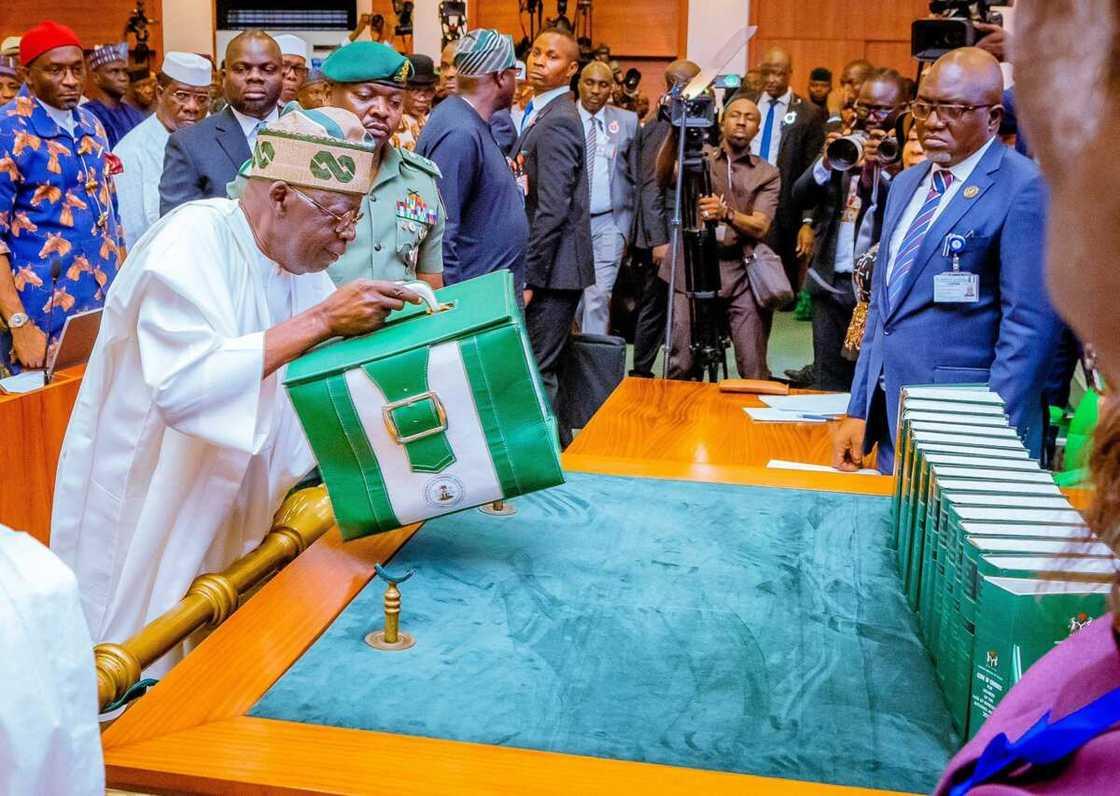
Nigeria’s federal government has repeatedly missed statutory deadlines for publishing quarterly budget performance reports, with some reports delayed by more than a year, according to an analysis by CFG Advisory. The delays are raising concerns about fiscal transparency as the government faces a large budget deficit and increasing debt servicing obligations.
Nigeria’s federal government has repeatedly missed statutory deadlines for publishing quarterly budget performance reports, according to an analysis by CFG Advisory, with delays stretching to more than a year, according to an analysis by CFG Advisory.
The advisory firm found that none of the quarterly reports with identifiable publication dates between the first quarter of 2018 and the third quarter of 2025 was published within the 30-day statutory period prescribed by Sections 30 and 50 of the Fiscal Responsibility Act 2007.
Delays ranged from 67 days to 432 days. The first-quarter 2023 report recorded the longest delay, being published on July 5, 2024, around 432 days after the statutory deadline, according to CFG Advisory.
Other reports were also significantly overdue. The second-quarter 2019 report was delayed by 328 days, while the fourth-quarter 2022 report was 303 days late. The second- and fourth-quarter 2023 reports were delayed by 341 days and 316 days, respectively.
CFG Advisory said the latest reporting cycle has also raised concerns, with the fourth-quarter 2025 and 2026 quarterly reports either unpublished or overdue as of August 17.
The delays come as Nigeria faces substantial financing requirements. The government plans to spend as much as N68.32 trillion in the 2026 fiscal year, while the budget deficit is projected at N31.45 trillion, increasing the importance of timely fiscal data for investors, analysts and policymakers.
Budget performance reports provide information on government revenue and expenditure against approved plans and can help assess revenue shortfalls, capital project execution and broader fiscal management.
CFG Advisory said the absence of timely budget, gross domestic product and debt data had made it difficult to assess the performance of the Nigerian economy. The firm also criticised delays in economic and debt information from the National Bureau of Statistics and the Debt Management Office.
The advisory warned that failure to meet the reporting requirements could constitute a breach of the Fiscal Responsibility Act. It cited Section 51, which allows any person to seek enforcement through the Federal High Court without demonstrating a special or personal interest.
CFG Advisory said it would consider “necessary legal action” if the ministers responsible for finance and budget failed to comply within a reasonable period.
The firm also called for stronger enforcement powers for the Fiscal Responsibility Commission, which is responsible for monitoring compliance with the Act and investigating breaches.




Comments (0)
You must be logged in to post comments.
No comments yet. Be the first to start the conversation!