

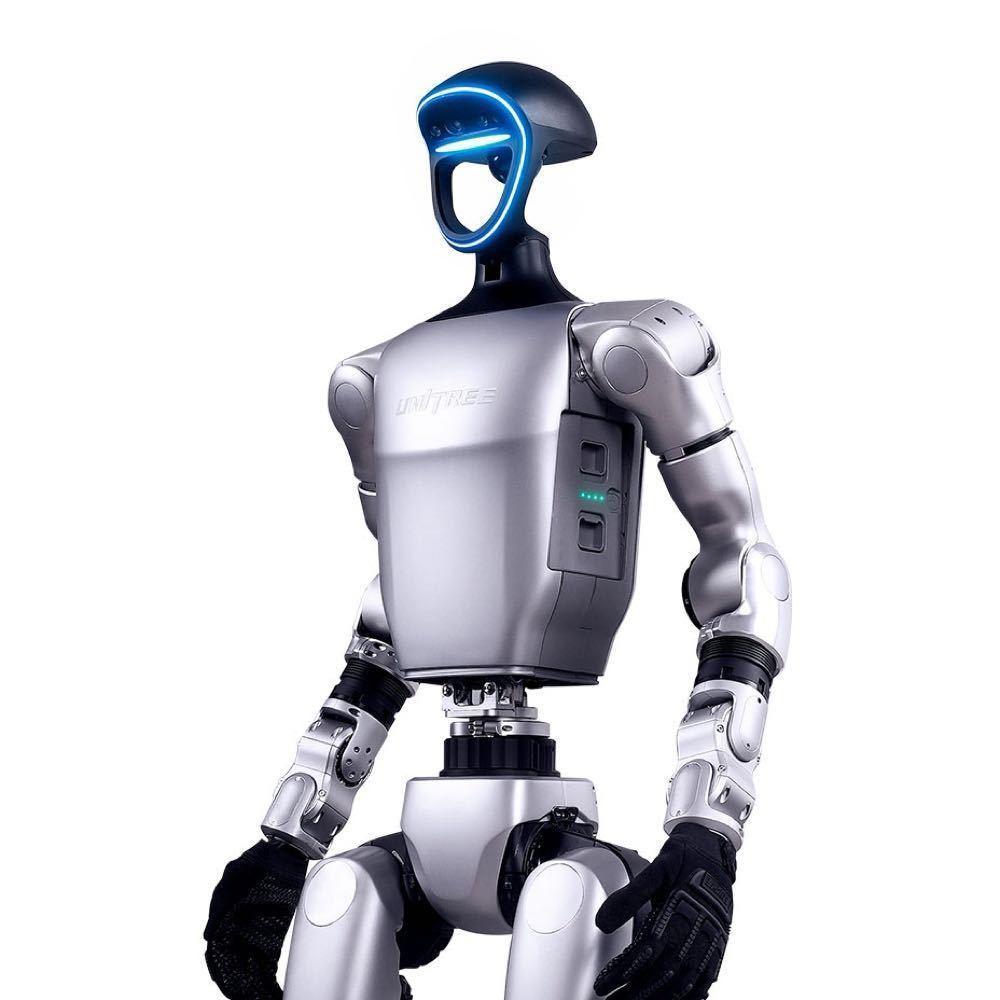
Germany’s VDMA engineering association is calling on policymakers to make humanoid robotics a higher political priority and strengthen domestic supply chains for critical components. The push comes as China rapidly expands its position in the humanoid robotics industry and global shipments increase sharply.
Germany’s engineering industry is urging policymakers to make humanoid robotics a strategic priority, arguing that Germany and Europe need stronger domestic supply chains to compete in a rapidly developing global market.
The German Engineering Federation, known as VDMA, said Europe should work toward establishing domestic production of critical components needed for humanoid robots. Hartmut Rauen, VDMA’s deputy executive director, said Germany and Europe need a comprehensive value chain to support the industry.
The call comes as competition in humanoid robotics intensifies, particularly between Chinese and Western manufacturers. Reuters reported that global humanoid robot shipments nearly quadrupled in the first half of 2026 to 19,100 units, with Chinese manufacturers accounting for the majority of the market.
China's growing robotics industry was highlighted on Wednesday when Unitree, one of the country's leading humanoid robot manufacturers, made its Shanghai stock market debut. Its shares closed at 845 yuan, about 460% above its initial public offering price, giving the company a market value of roughly $50 billion, according to Reuters.
The developments reflect growing efforts by governments and companies to establish leadership in humanoid robotics, a technology expected to have applications across manufacturing and other industries.
However, the industry still faces a major challenge: moving from demonstrations and early production to large-scale commercial deployment. Reuters reported that more than 300 companies were participating in the World Robot Conference in Beijing, showcasing more than 2,000 exhibits and launching over 150 new products.
VDMA has previously highlighted robotics and automation as important technologies for addressing industrial challenges, including workforce shortages and the need for greater technological competitiveness.
The association's latest call therefore places supply chain resilience and industrial scaling at the center of Europe's humanoid robotics ambitions, as Chinese manufacturers rapidly expand production and attract significant investor interest.








Comments (0)
You must be logged in to post comments.
No comments yet. Be the first to start the conversation!