

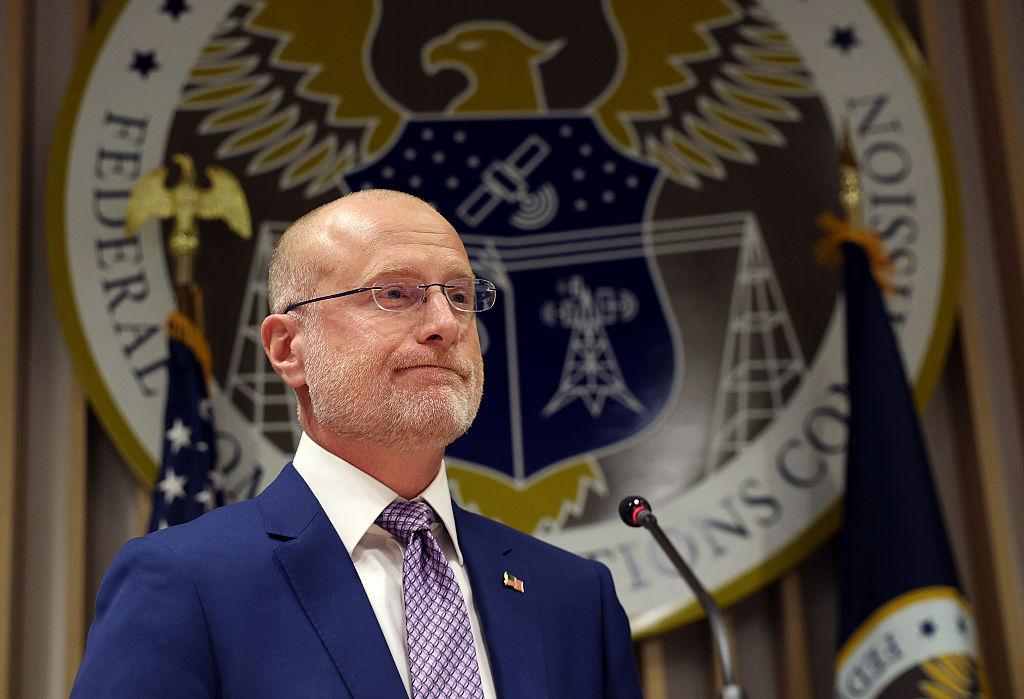
Disney and its ABC division have sued the U.S. Federal Communications Commission, asking a federal court to halt an unusually early review of broadcast licenses for eight ABC-owned stations. ABC alleges the FCC's actions amount to retaliation over the network's programming and editorial decisions, while the agency says its investigation concerns potential violations of federal law and FCC rules.
Disney and its ABC division have filed a First Amendment lawsuit against the U.S. Federal Communications Commission, escalating a dispute over the agency's decision to require eight ABC-owned television stations to begin the broadcast-license renewal process years ahead of schedule.
The lawsuit, filed Tuesday in federal court in Washington, D.C., seeks to stop the FCC's early renewal proceedings. Reuters reported that Disney and ABC argue the regulatory actions constitute retaliation over content aired by the network and threaten the company's constitutional rights.
The dispute centers on an FCC order issued in April requiring Disney's ABC stations to file renewal applications ahead of their normal schedule. The FCC's Media Bureau said the agency was investigating the stations for possible violations of the Communications Act of 1934 and FCC rules, including rules prohibiting unlawful discrimination.
None of the eight licenses would ordinarily have been due for renewal until 2028 at the earliest, according to an FCC public notice issued in May. The agency said federal rules allow it to call for an early renewal when it determines that doing so is necessary for the proper conduct of an investigation.
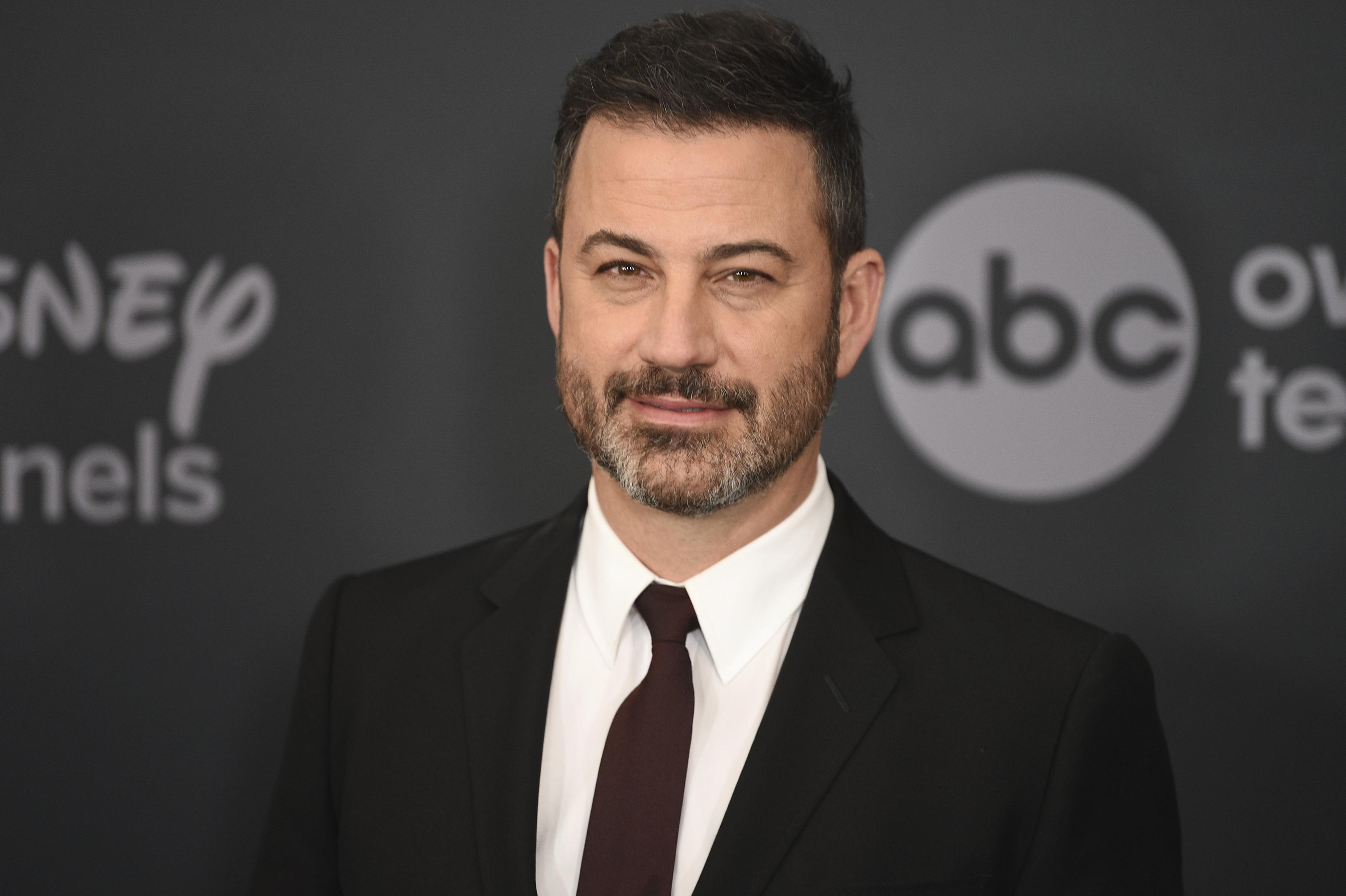
ABC has disputed the government's rationale and has argued that the licensing process is connected to political pressure over its programming. The lawsuit follows months of tensions between Disney, ABC and the Trump administration, including criticism surrounding late-night host Jimmy Kimmel and ABC's daytime program “The View.” Reuters reported that the FCC's early-review order came shortly after President Donald Trump publicly criticized Kimmel.
The FCC, however, has rejected the characterization that it is targeting ABC because of protected speech. In a congressional filing, the agency said its investigation had been underway for more than a year and involved multiple rounds of document requests concerning Disney's compliance with federal anti-discrimination requirements. The FCC said the early renewal order followed that investigative process and that Disney's renewal applications would be considered through the normal regulatory process.
The FCC formally accepted Disney's eight renewal applications in May and established procedures allowing interested parties to submit arguments for or against the applications.
The case now places the FCC's regulatory authority over broadcast licenses directly against ABC's First Amendment claims. For global media companies, including those operating or investing in African markets, the dispute highlights the potential impact that regulatory decisions can have on broadcasters whose licenses are essential to operating over public airwaves.
The court's response to ABC's request could determine whether the FCC's early renewal process proceeds while the broader dispute over the agency's authority and the First Amendment moves through the legal system.






Comments (0)
You must be logged in to post comments.
No comments yet. Be the first to start the conversation!