

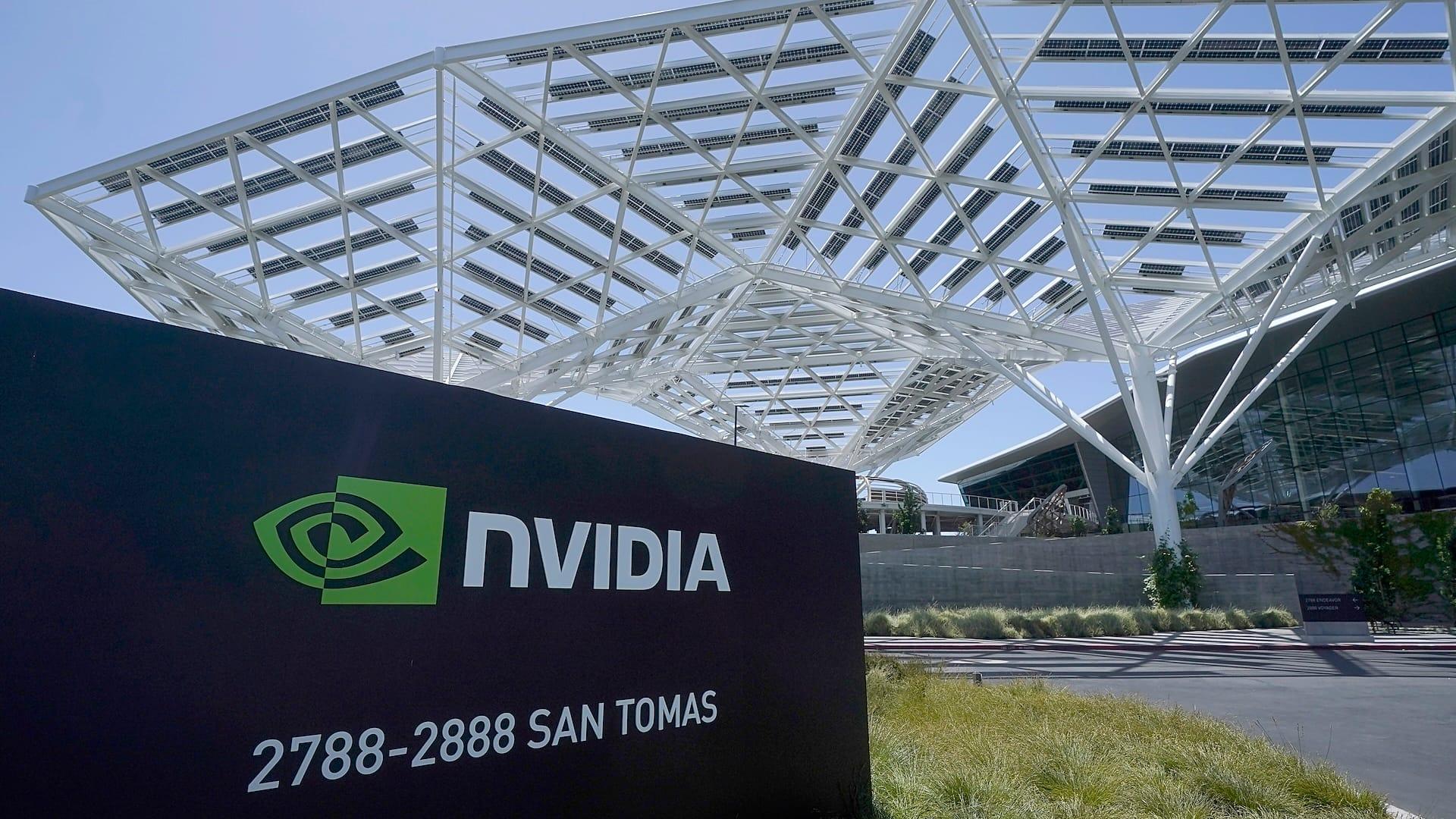
Chinese technology companies are reportedly using overseas data centers to access computing power from advanced Nvidia chips, highlighting a potential gap in U.S. export controls. The issue has prompted U.S. policymakers to consider extending restrictions to remote access to controlled computing infrastructure.
Chinese artificial intelligence companies are reportedly accessing advanced Nvidia computing power through data centers outside China, highlighting a potential weakness in U.S. efforts to restrict China's access to cutting-edge AI hardware.
The issue centers on the difference between owning a physical chip and remotely accessing its computing capacity. While U.S. export controls restrict the shipment of certain advanced Nvidia processors to China, companies can potentially access computing resources located in other countries through cloud or data center providers.
Reuters reported in 2025 that DeepSeek had sought access to advanced Nvidia chips through Southeast Asian infrastructure, citing a senior U.S. official. Reuters also reported that Chinese companies could access restricted Nvidia chips remotely in data centers located in countries where the hardware itself was not subject to the same China export restrictions.
More recently, Reuters reported that major Chinese technology companies including Alibaba and ByteDance have been training AI models in Southeast Asian data centers to access Nvidia chips, citing the Financial Times and people with direct knowledge of the arrangements.
The developments are significant because Nvidia's advanced processors are among the most important computing resources used to train and operate large AI models. Nvidia says its products are subject to U.S. export regulations and publishes export classifications for its chips and related products.
Nvidia has previously disclosed the impact of U.S. restrictions on its business in China. The company said the U.S. government informed it in April 2025 that a license was required to export its H20 products to China, resulting in a $4.5 billion charge related to excess inventory and purchase obligations.
The potential use of overseas computing infrastructure has therefore become an important issue for U.S. policymakers seeking to prevent restricted AI technology from indirectly reaching Chinese companies.
Lawmakers have considered legislation that would expand export controls to cover remote access to controlled technology, rather than focusing solely on where physical hardware is located. The proposed approach would give U.S. authorities additional tools to regulate foreign access to computing resources hosted outside the United States.
The challenge is enforcement. Expanding controls to cloud-based computing would require regulators to determine which computing resources should be restricted, which users should be prohibited and how cloud providers could verify customers and monitor access.
For Nvidia, the issue adds another layer of complexity to an already highly regulated international market. Reuters reported in July that Nvidia had tightened its screening of Asian customers, including in Singapore, Malaysia and Japan, as the company sought to prevent its AI chips from reaching China.
The debate also illustrates how U.S. technology restrictions are increasingly moving beyond traditional controls on physical exports. As AI computing becomes more accessible through cloud infrastructure, policymakers face the challenge of controlling access to computing power itself, not simply the movement of the chips that provide it.







Comments (0)
You must be logged in to post comments.
No comments yet. Be the first to start the conversation!