

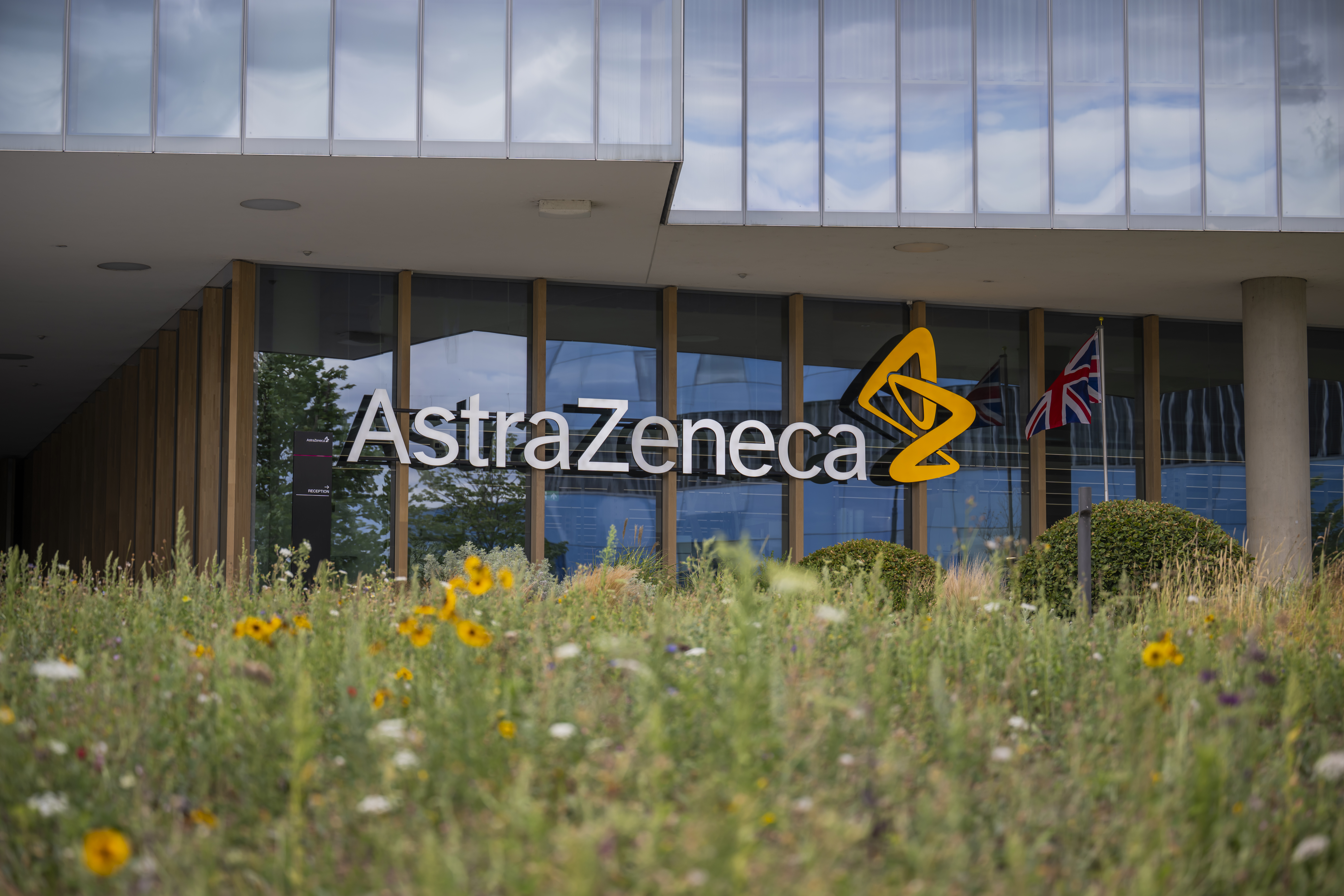
AstraZeneca is reportedly in discussions with Bristol Myers Squibb over a potential merger that could create a pharmaceutical company valued at about $400 billion. If completed, the deal would rank among the largest corporate mergers ever and reshape the global healthcare industry.
AstraZeneca is exploring a potential merger with U.S.-based pharmaceutical company Bristol Myers Squibb in a deal that could create a combined business worth approximately $400 billion, according to a report by the Financial Times.
The report said the two companies have held discussions over the past several months, although it remains uncertain whether the talks will lead to a formal agreement. Neither company has publicly confirmed the negotiations or announced any transaction.
If completed, the merger would rank among the largest corporate deals in history and significantly expand the companies' combined presence across oncology, cardiovascular disease, immunology and other key therapeutic areas.
The reported talks come shortly after AstraZeneca posted strong second-quarter results, supported by continued demand for its cancer and rare disease medicines. The company generated roughly $25 billion in oncology sales during 2025, accounting for nearly half of its annual revenue, while its cardiovascular, renal and metabolism portfolio contributed around $12 billion in sales.
AstraZeneca has also been expanding its presence in the United States. Last year, the British drugmaker announced plans to pursue a direct U.S. stock market listing while maintaining its London listing, aiming to benefit from stronger market valuations.
Under Chief Executive Pascal Soriot, AstraZeneca has experienced substantial growth over the past 14 years, with its share price rising more than fourfold and outperforming the broader FTSE 100 index as well as domestic rival GSK.
For Bristol Myers Squibb, a merger would strengthen its position in the global pharmaceutical market, particularly in cancer treatments, where both companies have significant product portfolios and research pipelines.
The reported discussions also come more than a decade after AstraZeneca successfully resisted a takeover approach from Pfizer, choosing instead to remain independent and focus on expanding its pipeline through research, development and targeted acquisitions.
As of publication, AstraZeneca and Bristol Myers Squibb had not issued official statements confirming the reported merger discussions. The information remains based on the Financial Times report and has not been independently confirmed by the companies.
Source: Financial Times (reported), company investor materials and recent earnings releases.




Comments (0)
You must be logged in to post comments.
No comments yet. Be the first to start the conversation!